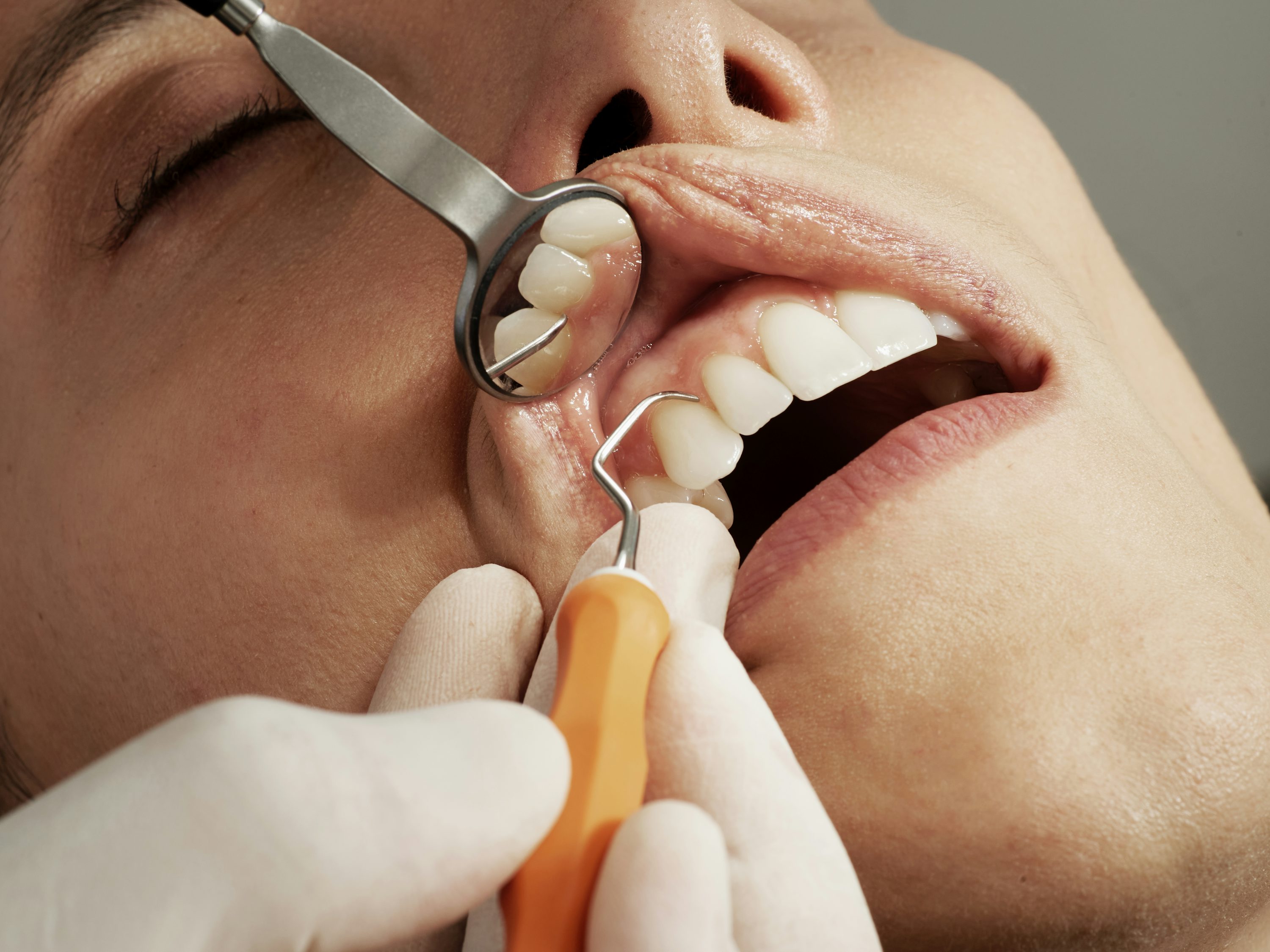
If your gums have ever bled during a routine cleaning, you’re not alone. It usually catches people off guard, especially when everything seems fine before the appointment. Bleeding might feel alarming, but it actually happens more often than you’d think.
If your gums have ever bled during a routine cleaning, you’re not alone. It usually catches people off guard, especially when everything seems fine before the appointment. Bleeding might feel alarming, but it actually happens more often than you’d think.
If you’ve had teeth cleaning in Angier, NC and saw a little blood, there’s probably a simple reason behind it. Chances are, it’s nothing serious, but it’s still worth paying attention to. Let’s walk through why gums might bleed and what it could tell you about how your mouth is doing overall.
Going to the dentist regularly is an important part of maintaining oral health. While a bit of bleeding during a cleaning can surprise you, it’s often a helpful sign that gives you and your dental team a chance to spot areas that need some extra attention or improvement in your daily care routine. Understanding why this happens and how to keep your gums at their healthiest ensures that appointments are more comfortable and your smile stays strong.
What Healthy Gums Should Look and Feel Like
Healthy gums tend to get overlooked until something feels off. They’re supposed to be firm, a light pink color, and free from soreness. You shouldn’t feel discomfort when brushing, flossing, or during a cleaning.
When bleeding occurs, it’s often one of the body’s early alerts that the gums might need more attention. It doesn’t always mean anything serious is happening, but it can be one of the first signs that your gums aren’t as healthy as they could be. Even a small amount of bleeding after flossing or during cleanings tells us that something is a little irritated.
Often, people don’t notice changes in their gums right away. Gums usually don’t hurt until inflammation becomes more noticeable. Flossing regularly and brushing along the gumline are good ways to help gums stay strong. Firm pain-free gums that don’t bleed when brushed or flossed are usually a sign of good oral health.
Common Reasons Gums Bleed During a Cleaning
Most of the time, there’s a clear reason behind the bleeding. It usually comes down to the way plaque and bacteria interact with your gum line. Here are a few specifics that often play a role:
• Plaque or tartar built up along the edge of the teeth can irritate the gums
• At-home habits like brushing too aggressively can make gums more sensitive
• Skipping floss or flossing inconsistently allows buildup to settle between teeth
Seasonal Factors That Can Add to the Problem
Even the weather plays a part in how your gums feel during a cleaning. In Angier, NC, March is that in-between time where winter starts giving way to spring. Temperatures shift a lot and allergy season begins to ramp up.
If you notice your nose is stuffy or you’re breathing through your mouth more often, that airflow can dry out the gum tissue. Dry gums aren’t just uncomfortable; they’re also more likely to get irritated or inflamed. Dry indoor heat and cold nights can compound this issue.
Mouth breathing, whether from allergies or congestion, causes the delicate gum tissue to dry out. This dryness can make gums more sensitive, especially when the temperature flips back and forth. Keeping yourself hydrated and using a humidifier indoors may help provide some relief.
So during early spring, gums may feel more sensitive, even before a dental cleaning begins. These small seasonal shifts can sneak in and make your mouth react differently than it would just a month earlier.
What Your Dental Team Looks for During a Cleaning
When we spot bleeding, we never make assumptions. Instead, we try to take a closer look at what else is going on. Usually, that includes checking for signs like:
• Puffy or discolored gum areas
• Bleeding right when the gum tissue is touched
• Pockets around the tooth that may be inflamed or sore
What You Can Do Between Visits to Keep Gums Happier
There’s good news here. Most of the care that helps your gums happens at home. A few gentle shifts can make your next cleaning more comfortable and can prevent small problems from growing. Here’s what we usually recommend:
• Choose a soft-bristled toothbrush and brush with light pressure
• Avoid scrubbing at the gumline, instead angle the brush toward it gently
• Floss daily, not just when your gums start to feel sore
Keep the Bleeding Away with Small, Daily Habits
A little bleeding during a cleaning isn’t always a red flag, but it does give us useful insight. Most of the time, it’s the body’s way of saying it’s time to pay a bit more attention. Catching it early is the sweet spot, and being thoughtful about habits at home helps keep things balanced.
Daily brushing, gentle flossing, and staying on top of cleanings make a big impact. When your gums feel good, your whole mouth tends to follow. Small changes now can lead to healthier, calmer cleanings later.
If you ever notice more bleeding than usual, be sure to let your dentist or hygienist know. They can check for any underlying issues and work with you on a plan to keep your gums and teeth healthy all year.
Building solid daily habits, noticing any changes early, and caring for your gums in every season helps you keep your oral health steady between appointments.
Ready to schedule an appointment?
Call Accent Family Dentistry in Angier, NC at 919-639-3911 or use our online scheduler.
Schedule OnlineQuestions About Your Dental Health?
Dr. Gong and her team are always happy to answer your questions and help you understand your treatment options.