
Maintaining excellent oral health is one of the most important investments you can make for your overall well-being. At Accent Family Dentistry in Angier, NC, Dr. Brenda Gong and our experienced team see firsthand how preventive care can make the difference between a lifetime of healthy smiles and costly, uncomfortable dental problems down the road.
Two of the most common dental issues we encounter are cavities and gum disease. The good news? Both conditions are largely preventable with the right knowledge, habits, and professional care. Let’s explore everything you need to know about protecting your family’s oral health.
Understanding Cavities: The Silent Threat to Your Teeth
What Are Cavities and How Do They Form?
Cavities, also known as tooth decay or dental caries, are small holes that develop in your teeth when harmful bacteria in your mouth produce acids that erode tooth enamel. This process begins when harmful bacteria in the mouth produce acid that erodes the enamel, or the hard outer layer of the tooth.
The cavity formation process follows a predictable pattern. First, bacteria, food particles, and saliva combine to form a sticky film called plaque on your teeth. When you consume sugary or starchy foods, plaque bacteria convert these substances into acids that attack and weaken your tooth enamel. Over time, continued acid attacks create small holes in the enamel, forming cavities that require professional treatment.
Early Warning Signs of Cavities
Recognizing cavity symptoms early can help prevent more extensive damage. Watch for tooth sensitivity to hot, cold, or sweet foods and beverages, visible holes or pits in your teeth, and brown, black, or white staining on tooth surfaces. You might also experience pain when biting down or spontaneous toothache. If you notice any of these symptoms, it’s important to schedule an appointment promptly.
Gum Disease: The Silent Destroyer of Oral Health
Understanding Gum Disease Progression
Gum disease is a very common condition, with about 4 in 10 U.S. adults 30 years or older having some level of the disease. The condition progresses through two main stages, each requiring different approaches to treatment.
Gingivitis: The Early Stage
Gingivitis is the mildest form of gum disease, characterized by red, swollen, or tender gums that may bleed during brushing or flossing. You might also notice persistent bad breath. The encouraging news is that gingivitis can be largely prevented and treated with a combination of self-care and professional cleanings. At this stage, the damage is still reversible with proper intervention.
Periodontitis: The Advanced Stage
When gingivitis goes untreated, it can progress to periodontitis, a more serious condition that involves gum recession and the formation of deep pockets between teeth and gums. This advanced stage can lead to loose teeth, bone loss around teeth, and potential tooth loss. Unlike gingivitis, periodontitis causes permanent damage, though it can be managed effectively with professional treatment.
Risk Factors for Gum Disease
Several factors increase your risk of developing gum disease:
- Poor oral hygiene habits
- Smoking or tobacco use
- Diabetes
- Genetics
- Hormonal changes during pregnancy or menopause
- Certain medications
- Stress
- Poor nutrition
Understanding your personal risk factors helps us create a more targeted prevention plan for your specific needs.
Prevention Strategies: Your First Line of Defense
Essential Daily Oral Hygiene Habits
The foundation of preventing both cavities and gum disease lies in consistent daily oral hygiene. Brushing with fluoride toothpaste two times each day is important for preventing cavities, and your technique matters significantly. Use fluoride toothpaste approved by the American Dental Association and brush for at least two minutes, angling your toothbrush toward your gum line to sweep away harmful bacteria that hide between your teeth and gums. Remember to replace your toothbrush every three to four months or after illness.
Daily flossing removes plaque and bacteria from between your teeth where your toothbrush cannot reach. Flossing is essential for removing plaque, tartar and bacteria between your teeth, making it a non-negotiable part of your oral health routine. Complete your daily routine with an antibacterial mouthwash twice a day, choosing a formula that’s alcohol-free to reduce your risk of dry mouth.
Dietary Choices That Protect Your Teeth
Your diet plays a crucial role in oral health, with certain foods and beverages either supporting or undermining your dental health goals. Limiting sugary snacks and beverages, acidic foods and drinks, sticky candies, and frequent snacking throughout the day can significantly reduce your cavity risk. The bacteria in your mouth feed on sugars and starches, producing acids that attack your tooth enamel with each exposure.
Instead, focus on tooth-friendly options that actually support your oral health. Foods high in vitamin D and calcium, like yogurt, have been shown to help prevent cavities in young children and adults alike. Fresh fruits and vegetables, lean proteins, whole grains, and plenty of water all contribute to a healthier oral environment.
The Power of Fluoride
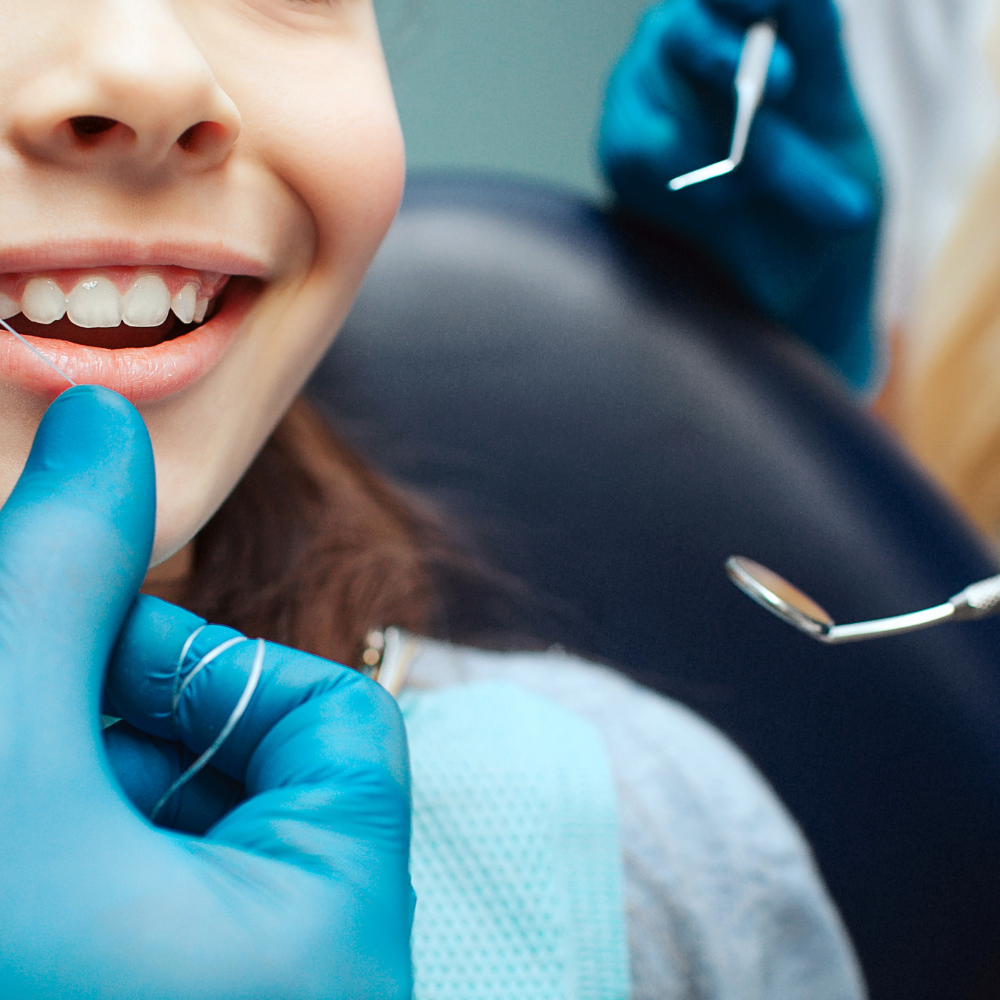
Fluoride is a tried and tested way to prevent decay and cavities, helping to remineralize tooth enamel and even reverse early stages of tooth decay. You can benefit from fluoride through fluoridated drinking water, fluoride toothpaste, and professional fluoride treatments during your dental visits. This naturally occurring mineral provides a protective shield for your teeth against acid attacks from harmful bacteria.
Professional Treatment Options
Cavity Treatments
When cavities do develop despite our best prevention efforts, we offer a range of treatment options tailored to the extent of the damage:
Early-Stage Treatments:
- Professional fluoride treatments
- Innovative treatments like Curodont, which can reverse damage caused by cavities and stop tooth decay in its tracks without the need for drilling
Advanced Cavity Treatments:
- Composite (tooth-colored) fillings that blend seamlessly with your natural teeth
- Porcelain inlays and onlays for larger restorations
- Dental crowns for extensively damaged teeth
Creating Your Personalized Prevention Plan
Regular checkups and cleanings are essential for preventing cavities, with dental professionals able to identify potential issues early and provide treatment to prevent further damage. During your visits at Accent Family Dentistry, we perform comprehensive oral examinations, provide professional cleanings, apply fluoride treatments when beneficial, and take digital X-rays as needed. We also discuss your individual risk factors and create customized prevention strategies based on your unique needs.
Most patients benefit from visits every six months, but some may need more frequent care based on their current oral health status, risk factors for cavities and gum disease, personal and family medical history, and response to previous treatments. We’ll work with you to determine the optimal schedule for maintaining your oral health.
Invest in Your Smile Today!
Don’t wait until dental problems become painful and expensive to treat. Take control of your oral health today by calling us today at (919)-234-7617 to schedule your appointment and take the first step toward a lifetime of optimal oral health.