
Pregnancy is an incredible journey filled with excitement, anticipation, and many changes to your body – including your oral health. At Accent Family Dentistry in Angier, NC, Dr. Brenda Gong understands the unique dental challenges that expecting mothers face and wants to help you maintain a healthy smile throughout your pregnancy and beyond.
Many women are surprised to learn that pregnancy can significantly impact their oral health. Hormonal changes, morning sickness, and dietary modifications can all affect your teeth and gums. The good news? With proper care and regular dental visits, you can keep your smile healthy while supporting your baby’s development.
Why Pregnancy Affects Your Oral Health
During pregnancy, hormonal changes—particularly increases in estrogen and progesterone—can make your gums more sensitive to plaque buildup. This increased sensitivity often leads to pregnancy gingivitis, a condition affecting up to 75% of pregnant women. Additionally, morning sickness can expose your teeth to stomach acid, potentially weakening tooth enamel.
Understanding these changes is the first step toward protecting your oral health during pregnancy. The good news is that with proper care and regular dental visits, you can maintain healthy teeth and gums throughout your pregnancy and beyond.
Common Oral Health Issues During Pregnancy
Pregnancy Gingivitis
Pregnancy gingivitis typically develops between the second and eighth months of pregnancy. Signs include:
- Red, swollen, or tender gums
- Bleeding during brushing or flossing
- Bad breath that persists despite good oral hygiene
If left untreated, pregnancy gingivitis can progress to more serious gum disease, which has been linked to preterm birth and low birth weight.
Morning Sickness and Tooth Enamel
Frequent vomiting during the first trimester can expose your teeth to stomach acid, leading to:
- Enamel erosion
- Increased tooth sensitivity
- Higher risk of tooth decay
Pregnancy Tumors
Despite their alarming name, pregnancy tumors are benign growths that can appear on the gums. These red, swollen bumps typically develop during the second trimester and usually disappear after delivery.
Essential Oral Hygiene Tips for Expectant Mothers
Maintain a Consistent Brushing Routine
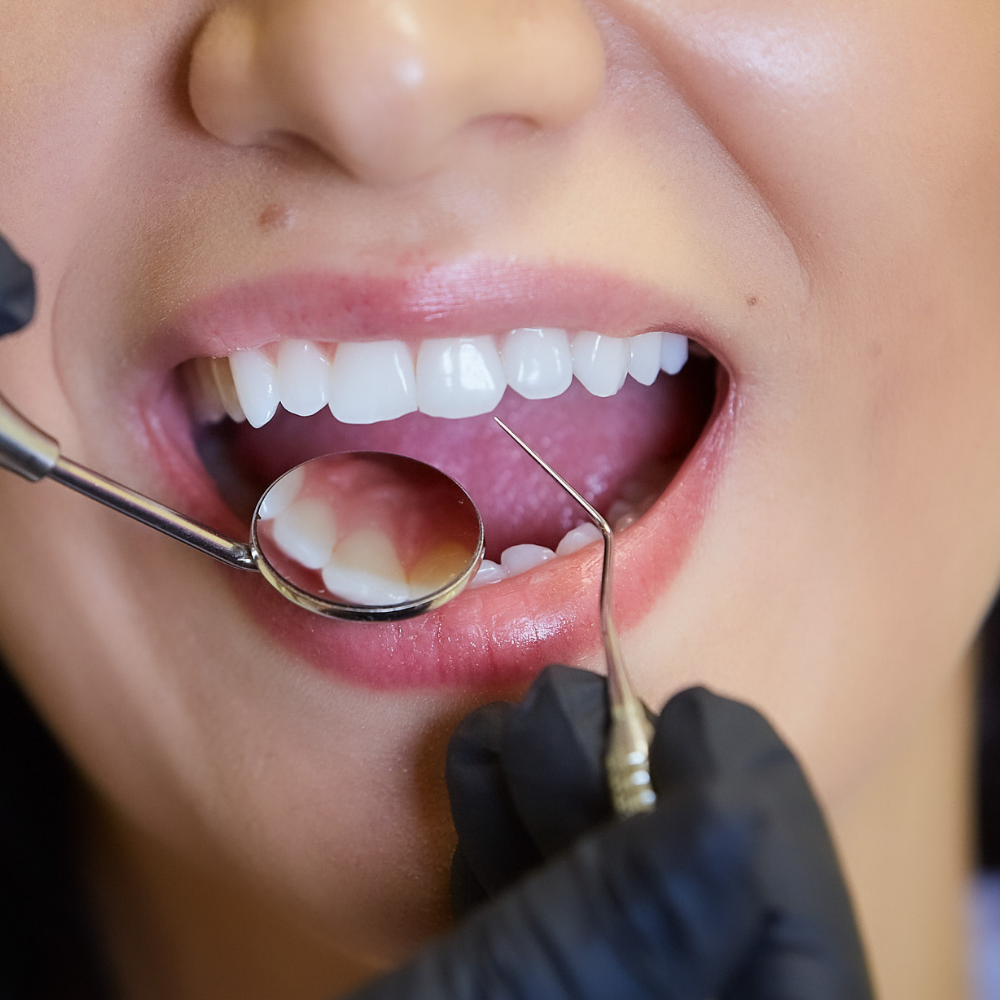
Brush your teeth at least twice daily with fluoride toothpaste. Use a soft-bristled toothbrush to avoid irritating sensitive gums. If morning sickness makes brushing difficult:
- Try brushing at different times of day
- Use a smaller toothbrush head
- Consider switching to a bland-flavored toothpaste
- Rinse with water or mouthwash if you can’t brush immediately after vomiting
Don’t Skip Flossing
Daily flossing becomes even more crucial during pregnancy. Hormonal changes make your gums more susceptible to plaque buildup between teeth, where your toothbrush can’t reach effectively.
Use an Antimicrobial Mouthwash
An alcohol-free antimicrobial mouthwash can help reduce bacteria and freshen your breath. This is particularly helpful if you’re experiencing pregnancy gingivitis or persistent morning breath.
Rinse After Morning Sickness
If you experience morning sickness, rinse your mouth with water or a fluoride mouthwash immediately after vomiting. Wait at least 30 minutes before brushing to avoid damaging softened enamel.
Nutrition for Healthy Teeth During Pregnancy
Focus on Calcium-Rich Foods
Your developing baby needs calcium for strong bones and teeth. If you don’t consume enough calcium, your body will draw it from your bones and teeth. Include these calcium sources in your diet:
- Dairy products (milk, cheese, yogurt)
- Leafy green vegetables
- Canned fish with soft bones
- Fortified plant-based milk alternatives
Vitamin D for Better Absorption
Vitamin D helps your body absorb calcium effectively. Natural sources include:
- Sunlight exposure
- Fatty fish like salmon and mackerel
- Fortified foods
- Prenatal vitamins (as recommended by your doctor)
Limit Sugary Snacks
Pregnancy cravings often involve sugary foods, but frequent snacking on sweets can increase your risk of tooth decay. When you do indulge, try to:
- Eat sweets with meals rather than as standalone snacks
- Choose natural sugars like fruits when possible
- Rinse with water afterward
- Wait 30 minutes before brushing
The Importance of Regular Dental Checkups
Safe Dental Care During Pregnancy
Regular dental cleanings and exams are not only safe during pregnancy – they’re essential. The American Dental Association and American College of Obstetricians and Gynecologists both recommend continuing routine dental care throughout pregnancy..
** Please be sure to contact your OBGYN before any dental care to ensure safety.
What to Tell Your Dentist
Always inform Dr. Gong and our team about your pregnancy, including how far along you are, any medications you’re taking, any pregnancy complications you may be experiencing, and any changes you’ve noticed in your oral health. This information helps us provide the safest and most appropriate care for you and your developing baby.
When to Seek Immediate Dental Care
Contact Accent Family Dentistry immediately if you experience:
- Severe tooth pain
- Facial swelling
- Gum bleeding that doesn’t improve with better oral hygiene
- Loose teeth
- Signs of infection, such as fever or facial swelling
These symptoms could indicate serious conditions that require prompt treatment to protect both your health and your baby’s well-being.
Your Smile Deserves Special Care During This Special Time!
Ready to prioritize your oral health during pregnancy? Contact Accent Family Dentistry today to schedule your appointment. Call us at (919)-234-7617 and let Dr. Gong and our caring team help you maintain a healthy, beautiful smile throughout your pregnancy journey and beyond. Your smile – and your baby – will thank you!