Your Smile,
Our Family's Mission
Dr. Brenda Gong and her team provide comprehensive, compassionate dental care — from routine cleanings to dental implants — all under one roof.
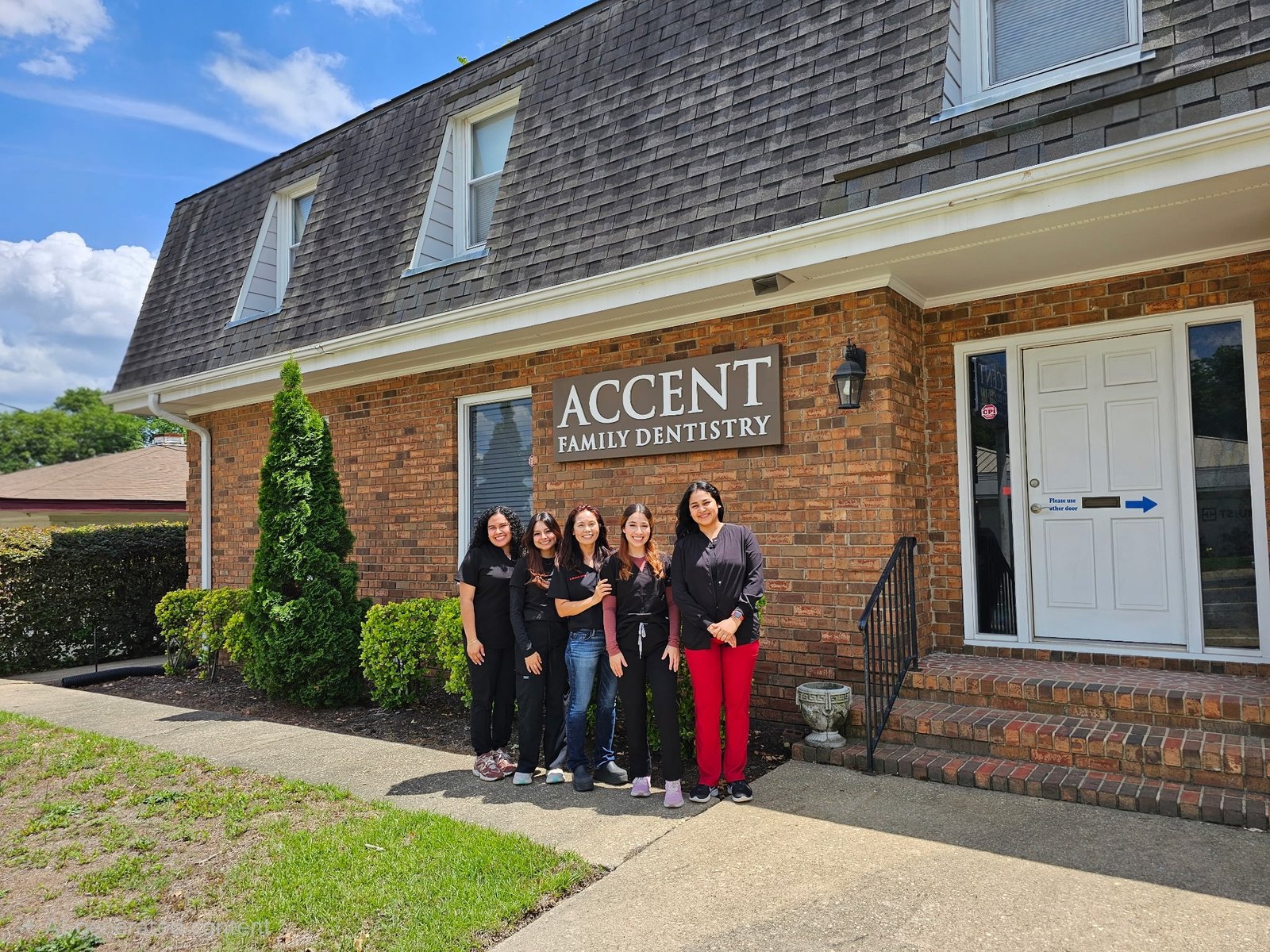
Dentistry That Feels Personal, Because It Is
At Accent Family Dentistry, we believe great dental care starts with a genuine relationship — and that's exactly what we build with every patient.
Family-Owned & Independent
We are not a corporate chain. Dr. Gong owns and operates this practice, which means every decision is made with your care — not a bottom line — in mind.
Same Dentist, Every Visit
You'll always see Dr. Gong — no rotating staff, no strangers. She has watched patients grow from children to parents and is invested in your long-term health.
Comprehensive Care, Close to Home
From routine cleanings and cosmetic work to dental implants and oral surgery, Dr. Gong has the training and technology to handle a wide range of needs right here in Angier.
Bilingual Care
Our team is proud to serve Spanish-speaking patients with the same warmth and clarity. Hablamos español — everyone deserves to feel understood at the dentist.
Everything Under One Roof
From your child's first cleaning to full-mouth reconstruction, Dr. Gong has the training and technology to handle it all right here in Angier.
Preventive Care
- Cleanings & Exams
- Fluoride Treatments
- Dental Sealants
- Oral Cancer Screening
Cosmetic Dentistry
- Porcelain Veneers
- Teeth Whitening
- Dental Bonding
- ClearCorrect Aligners
Restorative Care
- CEREC Same-Day Crowns
- Dental Implants
- Dentures & Bridges
- Root Canal Therapy
Specialty Services
- Oral Surgery
- Gum Disease Laser Therapy
- TMD Screening & Treatment
- Emergency Dental Care
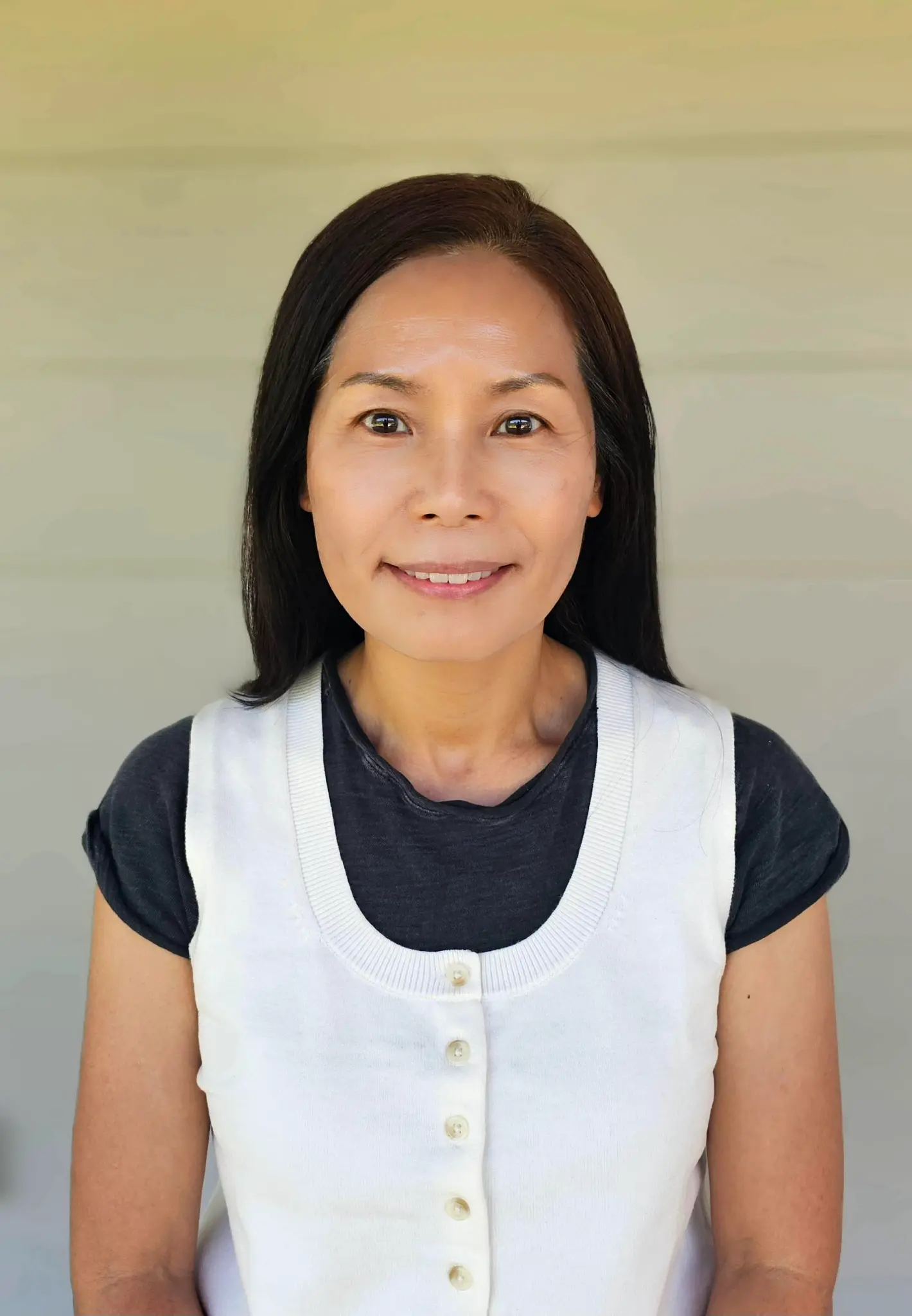
A Dentist Who Truly Knows Your Name
Dr. B. Brenda Gong, DDS, grew up in a small town and watched neighbors struggle with untreated dental pain. That experience sparked a lifelong passion for dentistry — one she has pursued with remarkable dedication for over 15 years.
A graduate of UNC-Chapel Hill's dental program, Dr. Gong holds advanced training in implantology, TMD, and periodontology. She completes extensive continuing education each year — because she believes her patients deserve a dentist who never stops learning.
"Dentistry isn't only about the clinical work — it's about building relationships with both the patients and my team."
Accent Family Dental Membership Plan
Simple, affordable dental care — no deductibles, no waiting periods, no claim denials. Benefits start immediately and run for 12 months from the date you join.
- 2 Professional cleanings
- 2 Regular exams
- 1 Fluoride treatment
- Routine x-rays
- 1 Emergency exam
- 5% family member discount
- 2 Professional cleanings
- 2 Regular exams & screenings
- Routine x-rays
- 1 Emergency exam
- 5% family member discount
- 3 Perio maintenance
- 2 Regular exams & screenings
- Routine x-rays
- 1 Emergency exam
- 5% family member discount
This plan is not insurance. It is a dental savings plan offered directly by Accent Family Dentistry. Not valid with insurance billing.
What Our Patients Say
"Dr Gong is sooo amazing! This practice is not to be overlooked just because it sits in the small town of Angier! Dr Gong provides the most up-to-date and new age services. She pulls out all the stops even providing clean, filtered, reverse osmosis water! If you're looking for a new practice and want to be seen by the same dentist (not a revolving group of dentists) then Accent Family Dentistry is the place to go!"
"I recently visited Accent Family Dentistry, and I couldn't be more impressed. Dr. Brenda Gong is extremely knowledgeable and clearly passionate about her patients. She's friendly, genuinely caring, and takes the time to explain every aspect of dental work and home care in a way that goes far above and beyond what most dentists do. She always greets you with a warm smile, and you can truly feel that she cares about people, not just teeth."
"I had an excellent experience with Dr. Gong and her team! From the moment I walked in, the staff was warm and welcoming, and the office felt very clean and comfortable. Dr. Gong is extremely knowledgeable, gentle, and patient — she always takes the time to explain what she's doing and makes sure I feel at ease during every visit. I usually feel nervous about dental work, but Dr. Gong has completely changed that for me."
"My wife and I have been patients of Dr. Brenda since 2021, and we've had nothing but an outstanding experience since day one. I've lived in many places throughout the east coast, and she's by far the best dentist I've ever had. Her staff are very professional and attentive, and Dr. Brenda herself is very detail oriented and transparent. Five stars!!!!"
"Dr. Gong and her staff are the best and this is coming from someone with severe dental anxiety. I went in on an emergency and they all took their time to make sure I was comfortable and explained everything to me."
"I absolutely love Accent Family Dentistry, from Brenda, the dentist to every single staff member — helpful, caring, friendly, focused on education and the importance of taking care of my teeth. For the first time I feel comfortable going to the dentist. It's no longer scary."
Your New Dental Home Is Waiting
Whether you're new to the area, looking for a dentist who truly knows your name, or finally ready to take care of your smile — we'd love to meet you.